Grindelia: The Sticky Treasure of the Southwest
Herb of the Month | Backroad Botanicals
Botanical name: Grindelia squarrosa (Pursh) Dunal
Common name: Curlycup Gumweed
Family: Asteraceae (Sunflower Family)
Note: Grindelia is a genus containing several medicinally used species. Grindelia squarrosa is one of the species found in New Mexico. The identification of the plants pictured in this article should be confirmed before publication.
There are days when an herbalist goes looking for a plant.
And then there are days when the plant seems to be waiting for you.
This season, that plant was Grindelia, commonly known as gumweed, and what a glorious abundance of it I found!
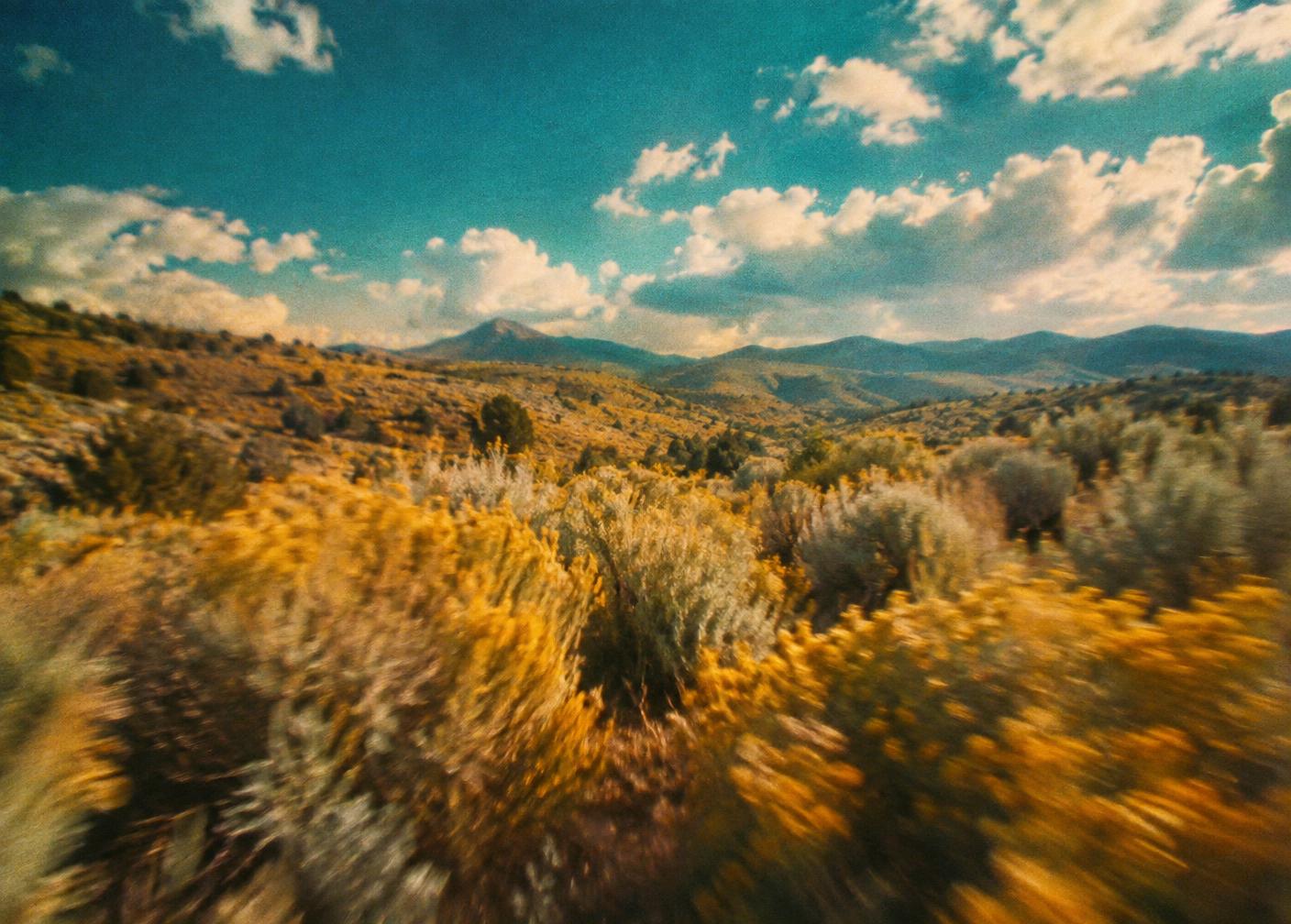
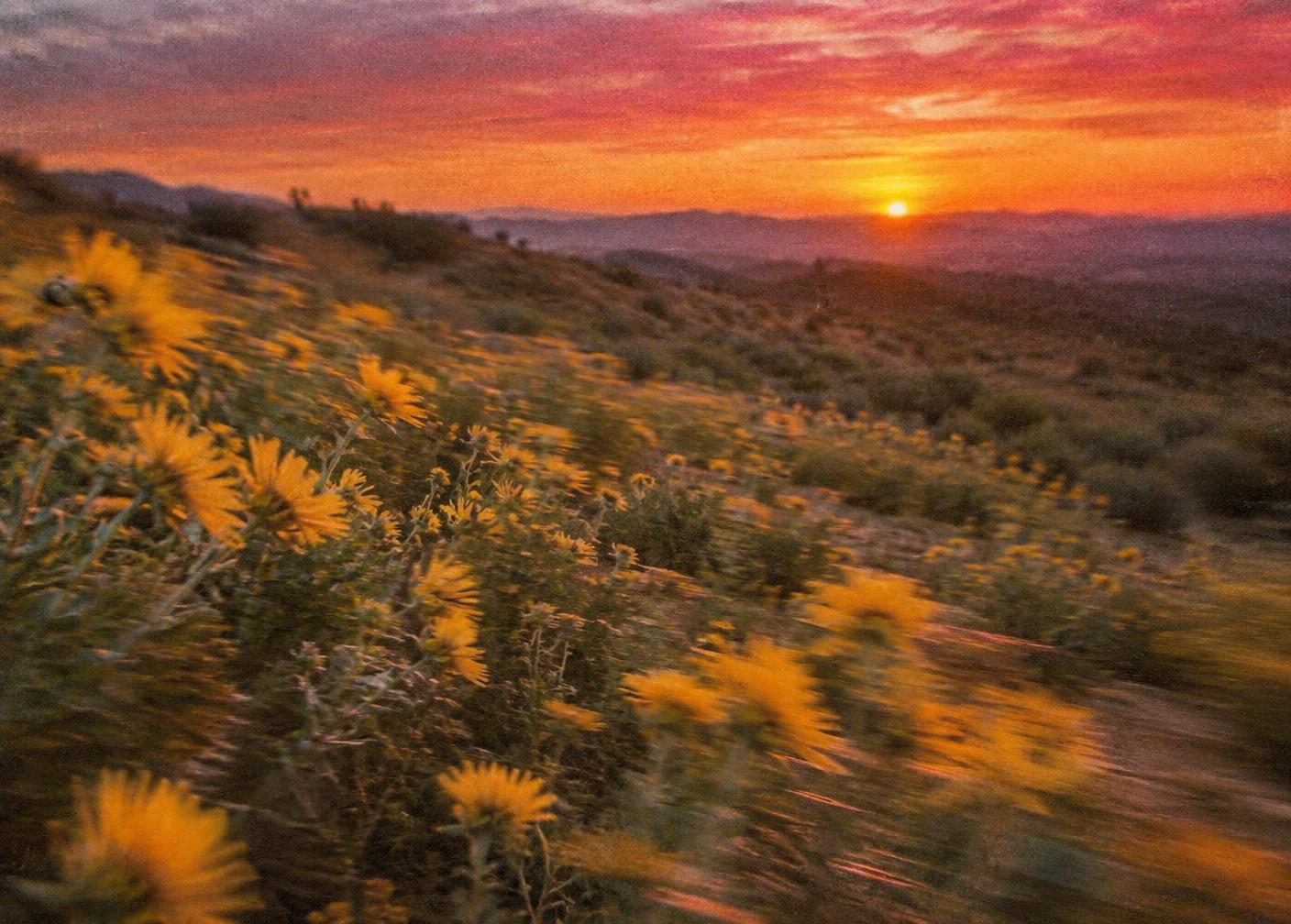
Across the Southwestern landscape, Grindelia announces herself with cheerful golden-yellow flowers, sturdy stems, and a remarkable sticky resin. She thrives in sunny, open spaces, often overlooked by those who don’t recognize the botanical treasure growing before them.
But to an herbalist, Grindelia is anything but ordinary.
A Beautifully Sticky Plant
Grindelia belongs to the sunflower family, Asteraceae. One familiar Southwestern species is Grindelia squarrosa, commonly called curlycup gumweed.
What makes Grindelia especially fascinating is the thick, gummy resin that coats her developing flower heads.
Touch one of these sticky buds, and you’ll quickly understand why she earned the name gumweed!
And then there’s the fragrance. When I gather Grindelia, I notice a distinctive earthy, almost nutty aroma. It’s one of those wonderful botanical experiences that simply cannot be captured in a photograph.
That resin is more than a curiosity. It contains characteristic plant compounds, including diterpenic acids, which have attracted the attention of herbalists and researchers alike.
Grindelia is a wonderful example of how a plant’s appearance, fragrance, chemistry, and traditional uses can come together to tell a fascinating botanical story.
From the Southwestern Landscape to American Herbal Medicine
Grindelia is native to North America, and Grindelia squarrosa is especially well suited to the sunny, open landscapes of the West, including here in New Mexico.
Her golden blossoms bring color to dry, open spaces, and her flowers provide resources for visiting insects.
But this cheerful, resinous plant has a remarkable place in American medical history.
Grindelia was officially recognized in the United States Pharmacopoeia beginning in 1882 and remained part of its historical listings into the 1920s.
During this period, Grindelia preparations were recognized in American pharmacy, particularly for their traditional respiratory applications.
Imagine that! A plant many people dismiss as a common weed once held an established place in American pharmaceutical practice.
Its history reminds us that botanical medicine and conventional pharmacy were not always considered separate worlds.
Various species of Grindelia have been used in North American herbal traditions for generations. Western herbalists developed a particular appreciation for the plant’s resinous flowering tops and their traditional association with respiratory wellness.
Today, Grindelia remains a fascinating part of our Western herbal heritage.
The Traditional Herbal Qualities of Grindelia
In traditional Western herbalism, Grindelia has long been appreciated for her affinity with the respiratory system.
Her flowering tops have historically been used in preparations associated with coughs, irritated airways, and stubborn respiratory mucus.
Herbalists commonly describe Grindelia as an expectorant, meaning an herb traditionally used to encourage the movement of mucus from the respiratory passages.
The plant’s resinous character is one of its most recognizable qualities, and its traditional uses have been documented in historical herbal literature and modern botanical monographs.
The European Medicines Agency has also reviewed Grindelia’s history of traditional medicinal use.
While that history is substantial, modern clinical research in humans remains limited. Traditional use does not establish that Grindelia is an effective treatment for respiratory illness.
For me, understanding a medicinal plant means appreciating its history, observing its qualities, and respecting both traditional knowledge and modern scientific evidence.
Gathering with Gratitude: Ethical Wildcrafting
Finding Grindelia growing in such abundance fills my herbalist heart with joy.
But abundance does not mean that everything is ours to take.
When I wildcraft, I carefully consider the health of the plant population, the surrounding environment, the needs of pollinators, and the continued regeneration of the stand.
I gather away from roadways and other potential sources of contamination, harvest only where it is appropriate and permitted, and take care to leave healthy plants and flowering heads behind.
Most importantly, I harvest only what I anticipate needing until the next growing season.
I don’t need every beautiful flower or every resin-covered bud. I need only enough to prepare the herbal products I intend to make until Grindelia returns next year.
The rest belongs to the land, to the insects that visit her flowers, to the seeds that will carry her forward, and to the next generation of Grindelia.
That’s one of the beautiful things about wildcrafting. It isn’t simply about what the land can give us. It’s also about knowing what to leave behind.
My guiding principle is simple:
When I leave, you shouldn’t be able to tell I’ve been there.
Wildcrafting, to me, is not simply gathering ingredients. It is a relationship built upon knowledge, observation, gratitude, restraint, and respect.
Grindelia and Oshá: Traditional Herbal Companions
One of my favorite herbal partnerships brings together Grindelia and another treasured Southwestern plant: Oshá (Ligusticum porteri).
Both plants have longstanding places in Western herbal traditions, particularly in preparations associated with respiratory wellness.
Grindelia’s resinous flowering tops have traditionally been appreciated for their expectorant qualities, while Oshá’s aromatic root has been valued for its warming, pungent character.
Their contrasting herbal qualities make them interesting companions in traditional formulation.
At Backroad Botanicals, I incorporate Grindelia alongside Oshá in select handcrafted preparations, including my Oshá Honey Syrup.
Each herb is chosen intentionally, with respect for its botanical character, traditional use, and role within the larger formula.
Oshá is also a plant that deserves particular care in wildcrafting. Its populations can be vulnerable to overharvesting because the root is the part traditionally collected. Responsible sourcing, careful identification, and conservation are essential.
These are principles I carry into every aspect of my work as an herbalist.
A Plant Worth Knowing
Grindelia reminds us that remarkable plants need not come from distant or exotic places.
Sometimes they grow in glorious abundance across the very landscapes we call home.
Her golden flowers, sticky resin, earthy fragrance, and fascinating place in American herbal history make her a plant worthy of recognition and respect.
And perhaps that is one of the greatest gifts of herbalism: learning to see the familiar landscape with new eyes.
The more we understand the plants around us, the more reasons we discover to protect them.
Until next time, may we always remember that nature provides remarkable gifts, and that caring for the land is part of honoring those gifts.
Tracy
Herbalist | Backroad Botanicals
References and Recommended Reading
Botanical and Historical References
-
European Medicines Agency (2012/2013). Assessment Report on Grindelia robusta, Grindelia squarrosa, Grindelia humilis, and Grindelia camporum, herba. Documents the history, traditional respiratory applications, botanical constituents, and historical pharmaceutical recognition of Grindelia.
https://www.ema.europa.eu/en/medicines/herbal/grindeliae-herba
-
United States Pharmacopoeia (historical editions, beginning 1882). Grindelia was included among officially recognized medicinal plant materials during the late nineteenth and early twentieth centuries, as documented in the European Medicines Agency’s historical assessment.
-
USDA Forest Service. Fire Effects Information System: Grindelia squarrosa. Botanical information concerning habitat, distribution, ecology, and regeneration.
https://www.fs.usda.gov/database/feis/plants/forb/grisqu/all.html
Recommended Reading: Michael Moore
Michael Moore (1941–2009) was one of the influential voices in modern Western herbalism. Founder of the Southwest School of Botanical Medicine, he devoted much of his career to documenting the medicinal plants of the American West.
His work emphasized botanical identification, traditional herbal knowledge, harvesting practices, and the preparation of plant medicines.
For readers wishing to deepen their understanding of Southwestern herbal traditions, I recommend:
-
Moore, Michael. (2003). Medicinal Plants of the Mountain West, Revised and Expanded Edition. Museum of New Mexico Press.
An excellent resource on the identification, ecology, collection, traditional uses, and preparation of medicinal plants throughout the mountainous West.
-
Moore, Michael. (1989). Medicinal Plants of the Desert and Canyon West. Museum of New Mexico Press.
A companion volume exploring medicinal plants of the desert and canyon landscapes, including information about their habitats, traditional uses, and preparations.
-
Moore, Michael. (1990). Los Remedios: Traditional Herbal Remedies of the Southwest. Museum of New Mexico Press.
A fascinating exploration of traditional herbal remedies and the cultural heritage of Southwestern plant medicine.