The Living Apothecary of the Sandia and Manzano Mountains
Exploring the Native Plants, Herbal Traditions, and Natural Beauty of New Mexico
There is something extraordinary about the Sandia and Manzano Mountains.
Rising above the Rio Grande Valley, these magnificent mountains belong to the southern Rocky Mountains region and stand along the eastern edge of the Albuquerque Basin.
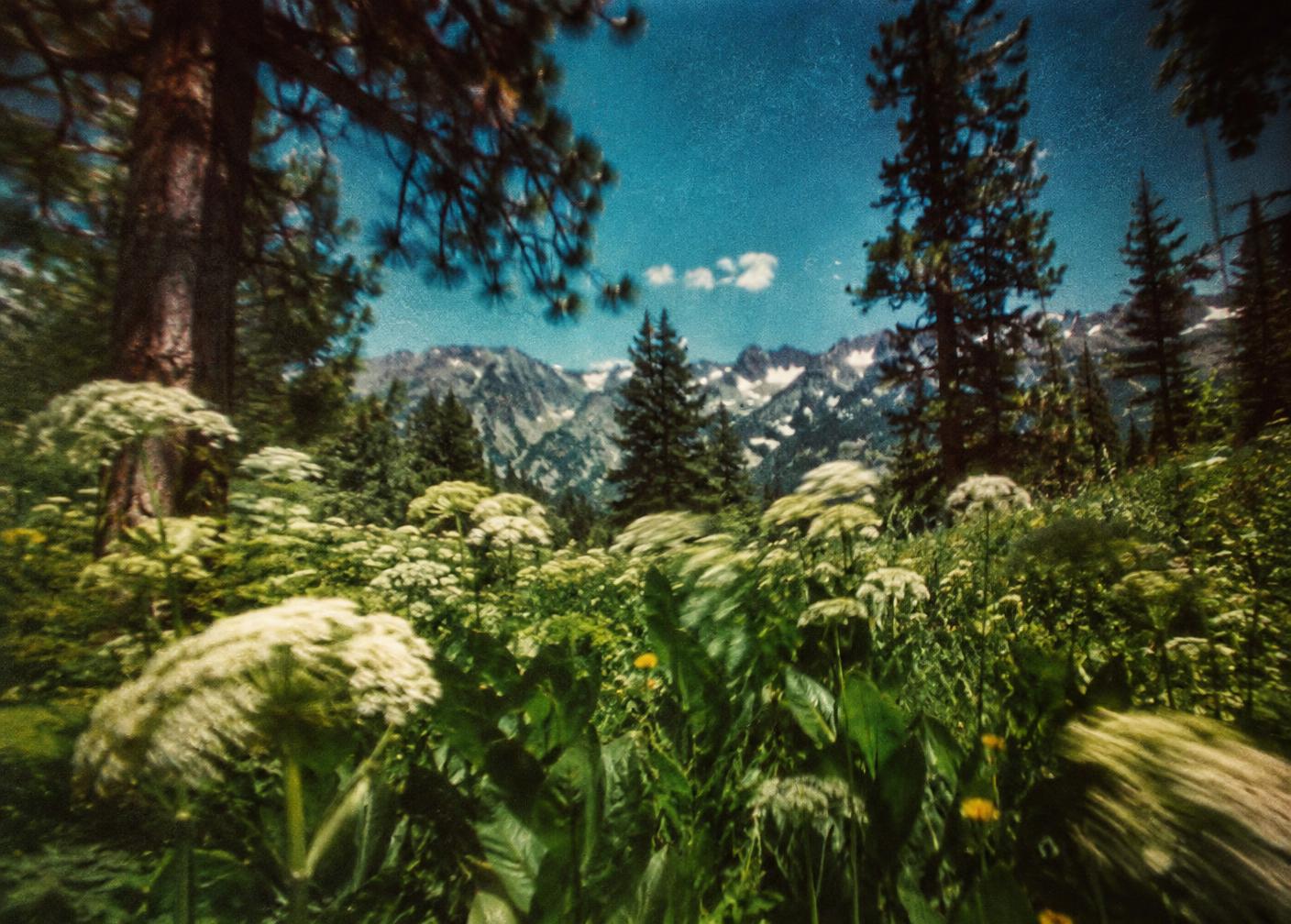
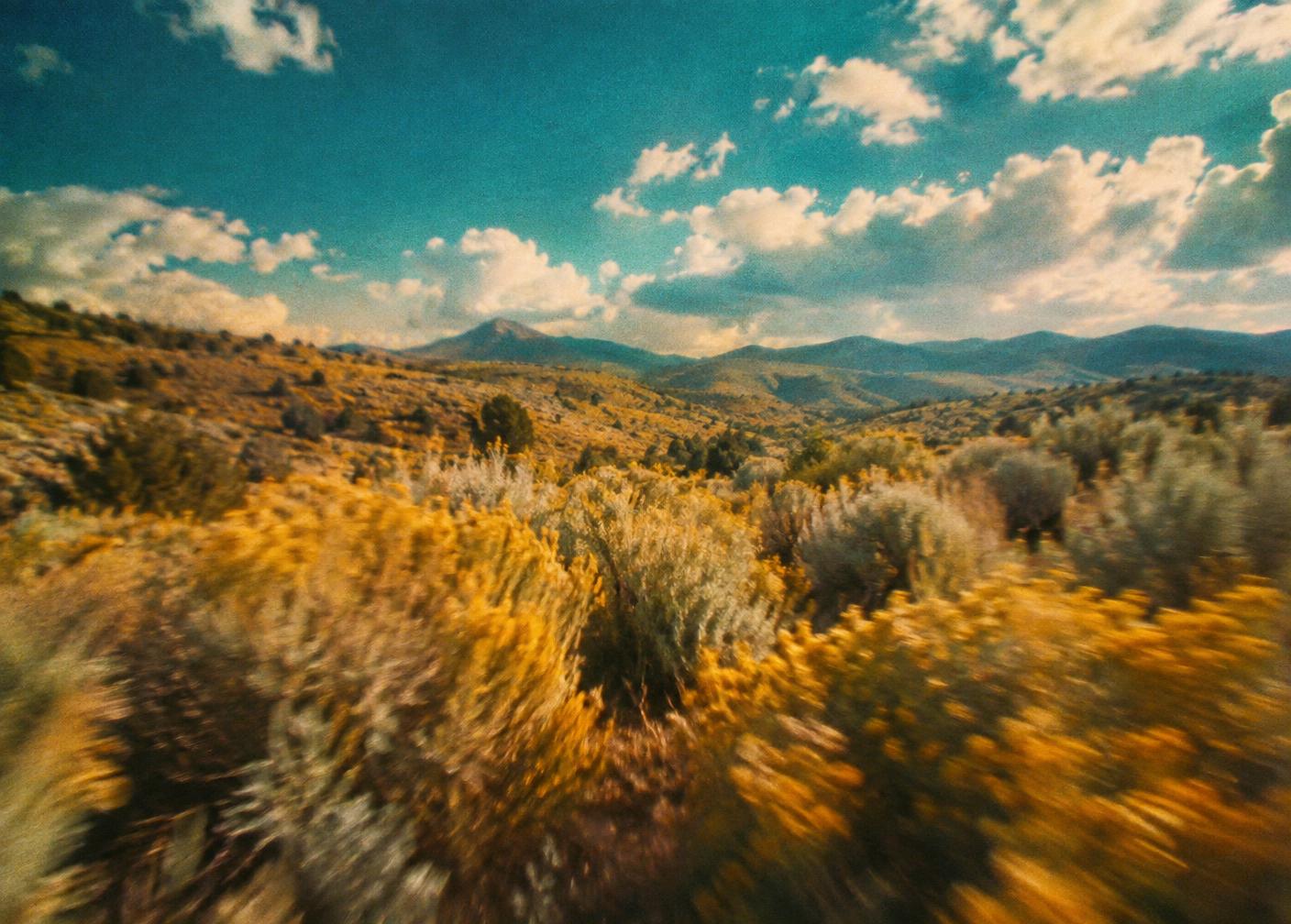
Their unique location in central New Mexico creates a remarkable meeting place of ecosystems. Within a relatively short distance, the landscape transitions from dry foothills and piñon-juniper woodlands to ponderosa pine forests, cool mountain meadows, and high-elevation habitats.
For an herbalist, this diversity is nothing short of extraordinary. I have come to think of the Sandias and Manzanos as my own living “teaching gardens.”
Not gardens planted or tended by human hands, but magnificent natural classrooms shaped by geology, elevation, weather, time, and the remarkable adaptability of plants.
Here, I can observe how the same species responds to different elevations, how moisture and sunlight influence growth, and how each plant finds its place within the larger ecosystem.
These mountains offer opportunities to study medicinal plants, learn their botanical characteristics, observe their seasonal cycles, and deepen my understanding of the relationships between plants and their environments.
For more than twenty years, medicinal plants have been an important part of my life, yet I continue to discover something new whenever I venture into these mountains.
The Sandias and Manzanos are not simply places where I find herbs. They are places where I continue to become an herbalist.
A Remarkable Abundance of Medicinal Plants
New Mexico is home to an extraordinary diversity of medicinal plants, shaped by its mountains, deserts, grasslands, forests, and river valleys.
The Sandia and Manzano Mountains provide a wonderful glimpse into that botanical richness.
The plants highlighted below are just a few examples of the abundance of medicinal plants found throughout New Mexico. Some are native to our mountains, others are associated with neighboring Southwestern habitats, and a few have become naturalized in our landscape.
Each has its own history, ecological role, and traditional relationship with people.
Cotá (Thelesperma megapotamicum)
Also known as greenthread or Indian tea, Cotá is a beloved Southwestern plant with slender stems and delicate golden flower heads.
Long appreciated as a traditional tea by Indigenous communities and generations of New Mexicans, Cotá represents a beautiful connection between the land and the cultural traditions of the Southwest.
Its gentle appearance and enduring place in regional traditions make it one of the plants I especially enjoy encountering.
Wood Betony (Pedicularis spp.)
The Sandias are home to native members of the Pedicularis genus, including fernleaf lousewort (Pedicularis procera).
These fascinating plants have intricately shaped flowers and are associated with traditional Western herbal preparations for relaxation and muscular tension.
Different species have different botanical characteristics, making careful identification especially important.
Gentian, Including Green Gentian (Frasera speciosa)
In mountain meadows and open habitats, green gentian can rise dramatically above surrounding vegetation with an impressive flowering stalk.
Its greenish-white flowers are beautifully intricate, rewarding anyone who takes the time to look closely.
Like other bitter herbs, green gentian has a history of traditional digestive use.
Because these plants may take many years to mature and flower, they deserve particular respect and protection.
Mullein (Verbascum thapsus)
With its wonderfully soft, velvety leaves and tall flowering spikes, mullein is one of the most recognizable plants in Western herbalism.
Traditionally appreciated in respiratory preparations, mullein has become a familiar sight in many parts of New Mexico.
Although it is not native to North America, this introduced species has naturalized throughout much of the region.
Its towering yellow flower stalks are a beautiful example of how plants become part of the changing botanical landscape.
Usnea (Usnea spp.)
Often called old man’s beard, Usnea is not technically a plant but a lichen, a remarkable partnership between a fungus and a photosynthetic organism.
Found in suitable forest habitats, Usnea grows on trees and branches, sometimes resembling delicate strands of pale green lace.
It has a long history in traditional herbal preparations and contains compounds that have attracted scientific interest.
Because lichens grow slowly and can be sensitive to environmental changes, they deserve exceptional care. Observing them in their natural habitat is often far more appropriate than harvesting them.
Uva Ursi (Arctostaphylos uva-ursi)
Also known as bearberry or kinnikinnick, Uva Ursi is a low-growing evergreen shrub with leathery leaves and bright red berries.
It has a history of traditional use in urinary herbal preparations and is associated with cooler mountain environments.
Its leaves contain arbutin, a compound that requires particular consideration regarding safety and appropriate use.
As with all medicinal plants, traditional use does not necessarily mean that an herb is suitable for everyone.
American Licorice (Glycyrrhiza lepidota)
Unlike the familiar licorice commonly imported for herbal preparations, American licorice is native to North America.
It is often associated with stream corridors, moist soils, and open habitats.
Its roots have a history of traditional use, while its flowers and distinctive seedpods add another dimension to its botanical character.
American licorice reminds us that many familiar herbal traditions have regional counterparts growing much closer to home.
Piñon Pine (Pinus edulis)
Few plants represent New Mexico quite like the piñon pine.
Its fragrant needles, resinous wood, and nutritious nuts have supported people and wildlife for countless generations.
Piñon nuts have long been an important traditional food, while the aromatic resin has a history of practical and cultural use.
For me, piñon embodies the character of our Southwestern landscape: resilient, generous, and deeply rooted in place.
Yucca (Yucca spp.)
With their dramatic sword-shaped leaves and magnificent flowering stalks, yuccas are unmistakable members of the Southwestern landscape.
Various species have historically provided soap, fiber, food, and other useful materials.
Their roots and leaves contain saponins, compounds responsible for the foaming properties traditionally used in cleansing preparations.
Yucca is a wonderful reminder that the usefulness of plants extends far beyond what we commonly think of as herbal medicine.
A Lifetime of Learning
One of the greatest gifts of herbalism is discovering that there is always something more to learn.
Every season brings new observations. Every elevation reveals different plants. Every walk through the mountains offers another opportunity to understand the natural world a little more deeply.
The Sandias and Manzanos have become my living teaching gardens, but they are only a small part of New Mexico’s extraordinary botanical heritage.
From the high peaks of the Sangre de Cristo Mountains to the forests of the Gila, from the Chihuahuan Desert to the banks of the Rio Grande, our state is home to an astonishing variety of plants with traditional medicinal, nutritional, ecological, and cultural significance.
The plants I’ve shared here represent only a handful of the botanical treasures found across New Mexico.
There are countless others worth studying, appreciating, and protecting.
And perhaps that is what I love most about this work.
After more than twenty years as an herbalist, I am still a student of the plants.
The mountains continue to teach, the plants continue to reveal their secrets, and I continue to listen.
With gratitude for the land and all that grows upon it,
Tracy
Herbalist | Backroad Botanicals
—